

The Survey: How BESS Cargo Claims Live or Die on Evidence

Two people stand on the quay in Burgas photographing the same container. One is an independent surveyor following a protocol and standardised methodology. The other is an EPC employee with a phone and good intentions. Six months later, when the claim reaches the insurer, only one of those records carries the same evidential weight. The difference is not image quality; it is the procedure behind the evidence.
The Clock Starts Here
The survey clock starts when damage becomes visible or there is a reasonable basis to suspect it. That may be during discharge, during inspection before truck loading, or at site delivery. The first trigger is the recorded anomaly: a reservation in the consignment note, a photograph of deformation, or a BMS indication of a thermal event.
At that moment, the consignee or its representative decides whether to sign cleanly or record a reservation. That decision can shape the entire evidential chain.
The Procedure and Its Deadlines
Transport conventions do not require every cargo claim to use an independent surveyor, but for a material claim an independent survey is often the strongest practical evidence. Insurance policies generally require prompt notice and preservation of evidence; the exact notice period comes from the policy wording.
CMR Notice
CMR Article 30(1) covers the road-transport notice rules: visible damage should be reserved at delivery, while concealed damage requires written reservation within the relevant seven-day period described in the source.
Hague-Visby Notice
For the sea leg, Hague-Visby Rules Article III Rule 6 uses notice at delivery for visible damage and a three-day period for concealed damage.
Missing these notice periods does not necessarily extinguish the underlying claim, but it changes the evidential position and can make the cargo interest prove what would otherwise have been presumed.
The Surveyor's Role
An independent surveyor establishes facts: the condition of the cargo, visible damage, measurements and possible causes. The surveyor is not an arbitrator and does not determine legal liability. The survey report is evidence that can be used with the insurer, carrier or in litigation.
The surveyor should be independent of the parties whose conduct is in dispute. The consignee or insurer normally appoints the surveyor; the freight forwarder can assist with arrangements but does not replace independent evidence.
Joint Survey
The strongest evidential position is often a joint survey attended by representatives of both sides, for example the consignee and the carrier or their insurers. CMR Article 30(2) recognises the possibility of a joint examination. When both parties sign the factual record, challenging those observations later becomes much harder.
Where Claims Die
The Clean Signature
The most common claims killer is a clean signature on the delivery document. It creates a presumption that the cargo arrived in the documented condition. For BESS, that is dangerous because a small external mark can coexist with serious internal damage.
A common scenario is a container that appears broadly normal in Burgas, so the site team signs cleanly to avoid delaying unloading. During commissioning, the BMS later reports an abnormality in modules near an impact point. Without a delivery reservation and survey record, the consignee has to prove the damage existed before acceptance.
Photographs without Context
Phone photographs are useful, but their evidential value is limited if they are not tied to a documented event. They show an image, but not necessarily when, where and under what circumstances it was captured. Metadata alone is not the same as independent verification.
A survey report records date, time, location, container identification, observations, referenced photographs and the surveyor's signature. That creates a coherent evidential record rather than a collection of images.
Late Notice
CMR and Hague-Visby notice periods are procedural, but missing them weakens the claim. This is especially important with concealed BESS damage, where a thermal event appearing later may have resulted from transport shock, vibration or a manufacturing defect.
Damage, Shortage and Delay Are Different Claims
Physical damage, shortage and delay are legally different categories with different limits. The source highlights:
- CMR Article 23: 8.33 SDR per kilogram of gross weight for loss/damage, subject to the Convention's rules and exceptions.
- Delay under CMR: limited differently, including by reference to the carriage charge.
- Hague-Visby Article IV Rule 5: package/weight-based limits for sea carriage.
The survey report should describe the factual condition clearly enough that the eventual claim can be classified correctly.
What It Costs When Things Go Wrong
The source models a BESS delivery where the site team notices a dent, takes phone photographs but signs the delivery document without reservation. Weeks later, BMS diagnostics show module failures in the impact area.
The insurer asks for the survey report. There is none. It asks for the delivery reservation. There is none. The photos show deformation but do not independently prove when the damage happened.
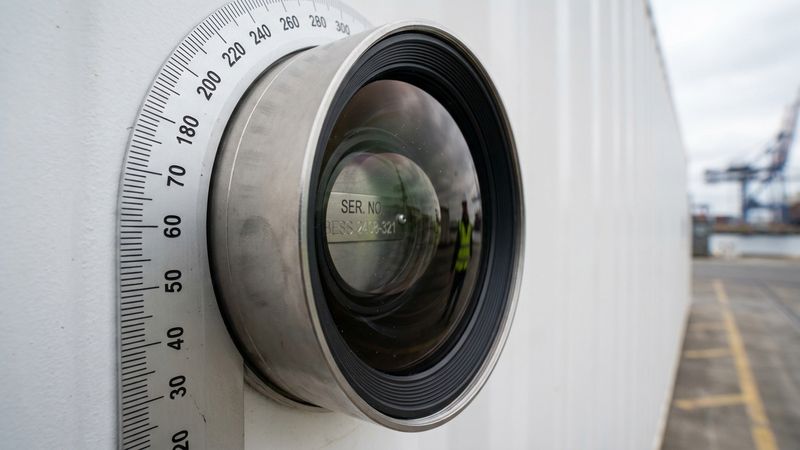
The difference between documentation and evidence begins at the moment of capture.
The mechanism of failure is procedural: the clean signature created a presumption of good delivery, the lack of an independent survey removed neutral evidence, and delayed notice shifted the evidential burden. All three could have been prevented on delivery day.
What to Do before and on Delivery Day
Before Delivery
Project office:
- Identify an independent surveyor near the port/site and agree emergency call-out terms.
- Confirm the insurer's notice requirements.
- Prepare a reservation template for the site team.
- Train the team never to sign cleanly where a visible anomaly exists.
Freight forwarder:
- Can help arrange a survey at discharge where agreed in advance.
- Should provide the relevant Bill of Lading and road-transport documents for reference.
On Delivery Day
- Inspect corners, doors, seals and external surfaces before signing.
- Record a specific reservation for every visible anomaly.
- Photograph with the container number visible and preserve date/time context.
- Do not dismantle or discard relevant securing material before survey.
- Escalate any anomaly immediately.
Project office:
- Appoint the surveyor within the policy/claims timetable.
- Notify the insurer according to policy terms.
- Send written notice to the relevant sea/road carrier within the applicable notice period.
- Where possible, request a joint survey with the carrier's representative.
After the Survey
- Keep the survey report, photographs and reserved transport documents in the project claim file.
- Retain internal securing or cushioning material until the claim is resolved where relevant.
- Keep all carrier and insurer correspondence in writing.
Key Takeaways
- The delivery reservation is the first line of defence. A clean signature creates a presumption that can be difficult to rebut.
- An independent survey report carries more evidential structure than standalone phone photos.
- CMR and Hague-Visby notice periods should be diarised immediately when an anomaly is found.
- Damage, shortage and delay are different claims with different liability limits.
- A joint survey can create a particularly strong factual record.
Further References
- CMR Convention – UNECE
- Hague-Visby Rules – UK Legislation
- York-Antwerp Rules – Comité Maritime International
Frequently Asked Questions
Q: When should an independent surveyor be appointed?
A: As soon as a material anomaly is discovered, within the notice and evidence-preservation requirements of the insurance policy and carriage regime.
Q: What should a delivery reservation contain?
A: A specific description of location, size and nature of the observed anomaly, rather than a generic phrase such as “possible damage”.
Q: What is the CMR concealed-damage notice period in the source?
A: Seven days after delivery under the source's Article 30(1) calculation, excluding Sundays and public holidays.
Q: Why is a survey report stronger than phone photos alone?
A: It ties the observations and images to an independent person, location, time, method and signed factual record.
Q: What CMR liability limit does the source cite?
A: 8.33 SDR per kilogram of gross weight for loss or damage, subject to the Convention's conditions and exceptions.
Q: What is a joint survey?
A: An inspection attended by representatives of both sides. A jointly signed factual report makes later disputes over the observed condition much harder.